
The Art of Japanese Dining: Mastering Balance and Portion Control
The Japanese approach to nutrition is more than just a diet; it is a philosophy centered on harmony, aesthetics, and mindfulness. Japan consistently boasts one of the world’s highest life expectancies and lowest obesity rates, largely due to a culinary tradition that prioritizes quality over quantity and balance over restriction. By understanding the core principles of Japanese eating, anyone can transform their relationship with food.
The Power of “Hara Hachi Bu”
At the heart of Japanese portion control is the Confucian teaching of hara hachi bu, which translates to “eat until you are eight parts full.” In practice, this means stopping when you no longer feel hungry, rather than waiting until you https://rebeccasingsonmd.com/ feel stuffed. Because it takes approximately 20 minutes for the brain to receive satiety signals from the stomach, eating to 80% capacity prevents the physical discomfort and metabolic sluggishness associated with overeating.
The Structure of Ichiju-Sansai
The traditional Japanese meal follows the ichiju-sansai formula, meaning “one soup, three dishes.” This structure ensures a diverse intake of nutrients without excessive calories. A typical meal includes:
- A Staple: Usually a small bowl of steamed white or brown rice.
- A Soup: Often miso soup, which provides hydration and gut-healthy probiotics.
- The Main: A protein source, typically grilled fish, tofu, or seafood.
- Two Sides: Small portions of seasonal vegetables, seaweed, or pickles.
This variety ensures that the palate is satisfied by different textures and flavors—salty, sweet, sour, and umami—which reduces cravings for processed snacks later in the day.
Visual Satisfaction Through Small Plates
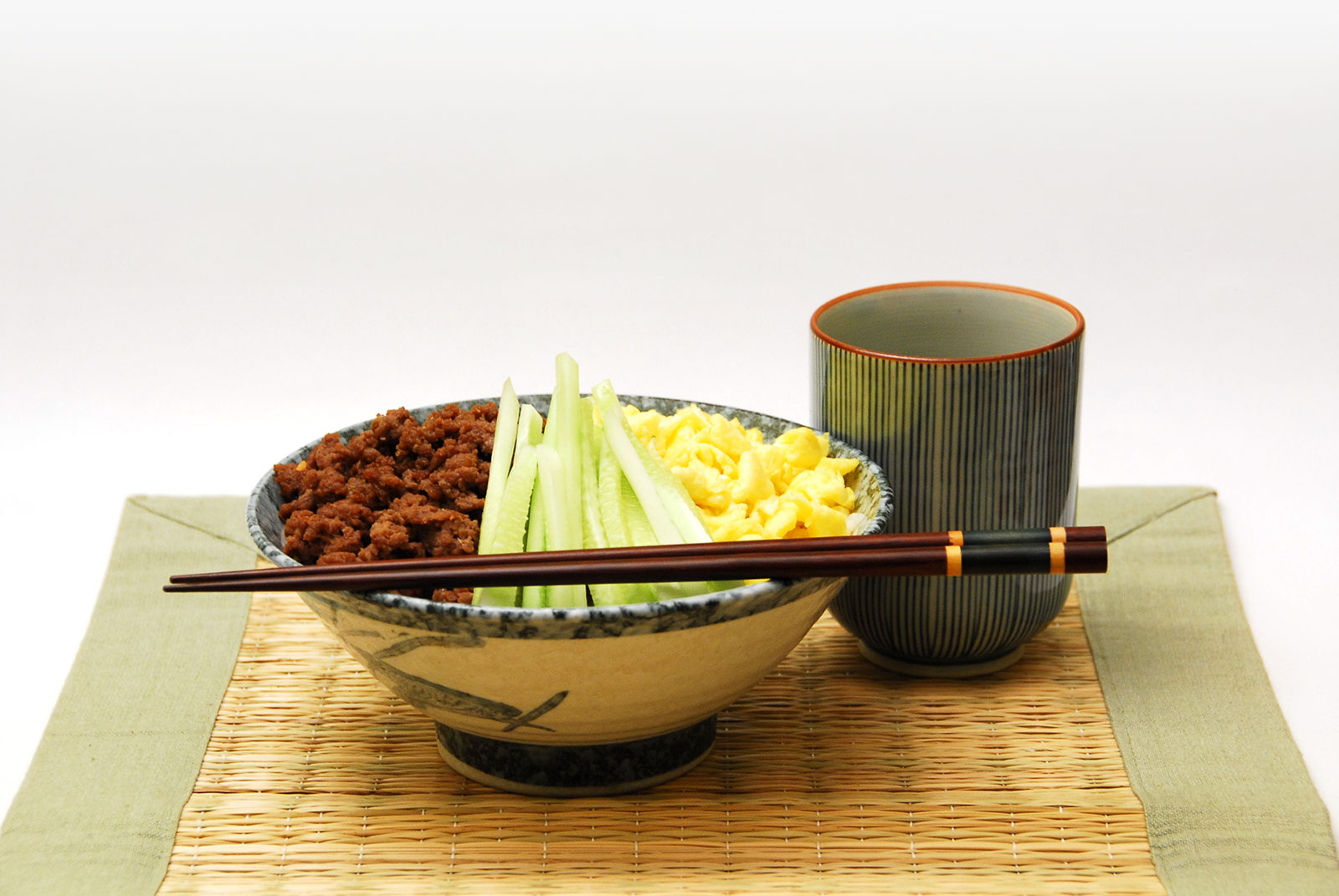
The Japanese utilize “eye-hunger” to manage portions. Rather than serving food on one large plate, meals are presented in several small, beautiful bowls. This visual variety makes a modest amount of food appear abundant. When the table is filled with diverse colors and shapes, the brain perceives a feast, leading to psychological satisfaction even if the total caloric intake is lower than a standard Western meal.
Mindful Consumption
Japanese culture emphasizes the “san-paku” or three-white taboo, but more importantly, it encourages slow eating. Using chopsticks is a natural portion-control tool; it forces smaller bites and longer chewing times. Furthermore, the act of saying itadakimasu (a grateful “I humbly receive”) before a meal fosters a moment of mindfulness, shifting the focus from mindless fueling to an appreciative experience.
Conclusion
Eating like the Japanese does not require giving up your favorite foods, but rather shifting your focus toward balance and moderation. By adopting the 80% rule, diversifying your plate with seasonal vegetables, and slowing down to appreciate each bite, you can achieve a sustainable and healthy lifestyle that honors both the body and the senses.