The Future of Healthcare: Innovations in Modern Compounding and Lab Science
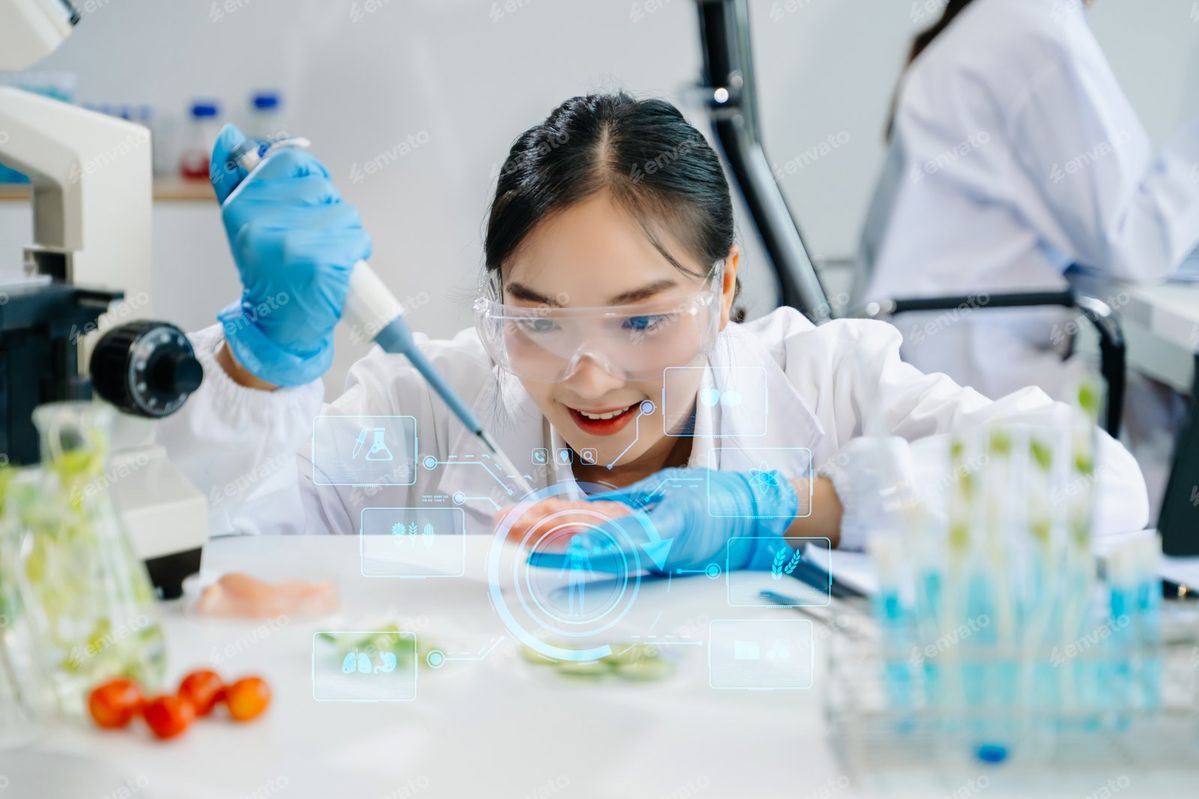
The image depicts a highly skilled Asian female scientist meticulously conducting an experiment in a modern laboratory. Wearing standard protective gear, including a white lab coat, safety goggles, and blue nitrile gloves, she uses a precision pipette to analyze microscopic samples or chemical solutions. This setting represents the cutting edge of medical research and biotechnology, where advanced equipment is used to develop new drug experiments and vaccines.
Precision and Expertise in the Lab
Modern laboratories serve as the backbone for medical advancements. Scientists in these environments, often part of collaborative teams, focus on high-tech research and business innovation. The integration of digital science icons and biotech tools suggests a futuristic research environment where technology and human expertise foothills pharmacy merge to revolutionize patient care. Whether they are testing industrial products or developing anti-virus treatments like the COVID-19 vaccine, these professionals ensure the highest standards of safety and accuracy.
The Role of Independent Compounding Pharmacies
While high-level research happens in large-scale laboratories, local healthcare is equally transformed by highly rated independent pharmacies. These pharmacies often provide specialized compounding services, which allow for the creation of customized medications tailored to an individual patient’s specific needs. Just as a scientist meticulously adjusts samples in a lab, compounding pharmacists adjust dosages and ingredients that may not be available in mass-produced commercial drugs.
Smart Technology Shaping Medicine
The use of advanced scientific equipment in laboratories is a testament to how far medical science has come. From analyzing test tubes filled with vibrant chemical solutions to using sophisticated software for data tracking, the “smart” creation of medicine is faster and more efficient than ever before. This technological leap ensures that pharmacies and research centers can provide the best possible outcomes for patient health, bridging the gap between innovative lab discovery and everyday consumer care.